Living in a Wildfire-Prone Part of the Valley? Here's How Brushfire Sprinkler Systems Actually Work
July 22, 2026
Quick Answer: A brushfire sprinkler system protects a home by soaking the roof, eaves, and surrounding ground before wind-driven embers arrive, using sprinkler heads positioned in three zones — roof, eave, and perimeter. Activation can be manual, heat-triggered, or app-controlled, and the system draws from the home's main water line, a dedicated line, or a backup source like a pool or well. Because the system ties into a home's potable water supply, a backflow prevention device is required to keep contaminated runoff from siphoning back into drinking water. These systems supplement — they don't replace — cleared vegetation and fire-resistant building materials.
You can smell it before you see it — that dry, dusty edge to the air that shows up every August and September across the hills above Simi Valley, Chatsworth, and Thousand Oaks. Ridgeline homes with a view of open brush get that smell first. Santa Ana winds, steep terrain, and dense chaparral turn this stretch of Ventura County and the San Fernando Valley into some of the most fire-exposed real estate in the state. A brushfire sprinkler system is one of the few pieces of home protection that actually does something. While everyone else is watching the ridgeline and waiting for an evacuation order, a properly built system is already running.
Most homeowners get the concept in broad strokes: sprinklers on the roof, water everywhere, fire stays away. What gets skipped over — usually by companies that only sell the fire-suppression half of the equation — is the plumbing behind it. Where does that water actually come from? What stops it from siphoning fire-line runoff back into the tap water your family drinks? These are plumbing questions, not fire-equipment questions, and they matter just as much as where the sprinkler heads point. What happens if the power goes out or the municipal line loses pressure during a fire event, which is exactly when demand spikes across the whole neighborhood, is a plumbing question too.
What Triggers a Brushfire Sprinkler System to Turn On
A brushfire sprinkler system isn't a lawn sprinkler on a bigger timer. It's built to respond to an active fire threat, and it can be triggered a few different ways depending on how the system was designed.
Manual activation
The simplest and most common setup for residential properties in Ventura County. A homeowner flips a switch or uses a mobile app when a fire watch or evacuation warning is issued for their area. This puts the decision in the resident's hands, which matters because a system that runs too early wastes water through evaporation, and one that runs too late does nothing.
Heat and flame-sensing activation
Some systems use sensors that detect a spike in ambient heat or direct flame contact near the structure and trigger automatically. This type of activation is useful as a backup, but it typically can't detect danger until fire or extreme heat is already close to the property, since heat sensors only work at short range.
Remote and app-based activation
Newer systems pair a control panel with a mobile app so a homeowner can turn the system on from wherever they've evacuated to. This is especially valuable for the Valley's ridgeline and canyon-adjacent properties, where residents may be watching fire progression from miles away and want the system running well before flames or embers arrive.
Whichever activation method a property uses, timing is everything. Wind-driven embers are the primary way homes ignite during a wildfire — they travel well ahead of the visible flame front, sometimes a mile or more, and land in gutters, vents, and dry vegetation long before the fire itself reaches a neighborhood. A sprinkler system that's already wetting the structure when embers arrive gives a home a real chance. One that's turned on after embers have already landed is playing catch-up.
Where the Water Actually Comes From
This is the part that separates a sprinkler installer from a licensed plumbing contractor. It's the piece most articles on this topic skip entirely.
The domestic water line
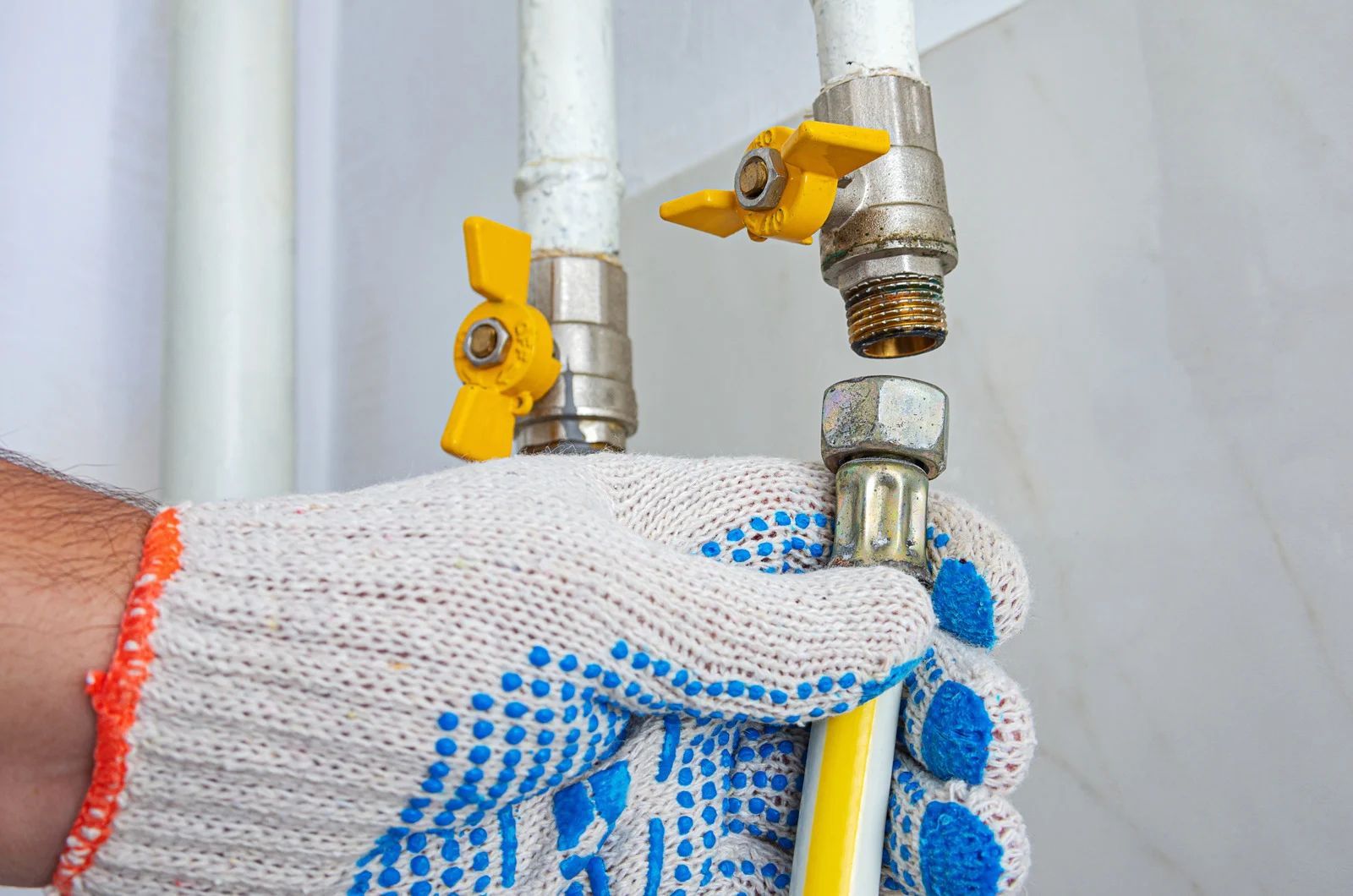
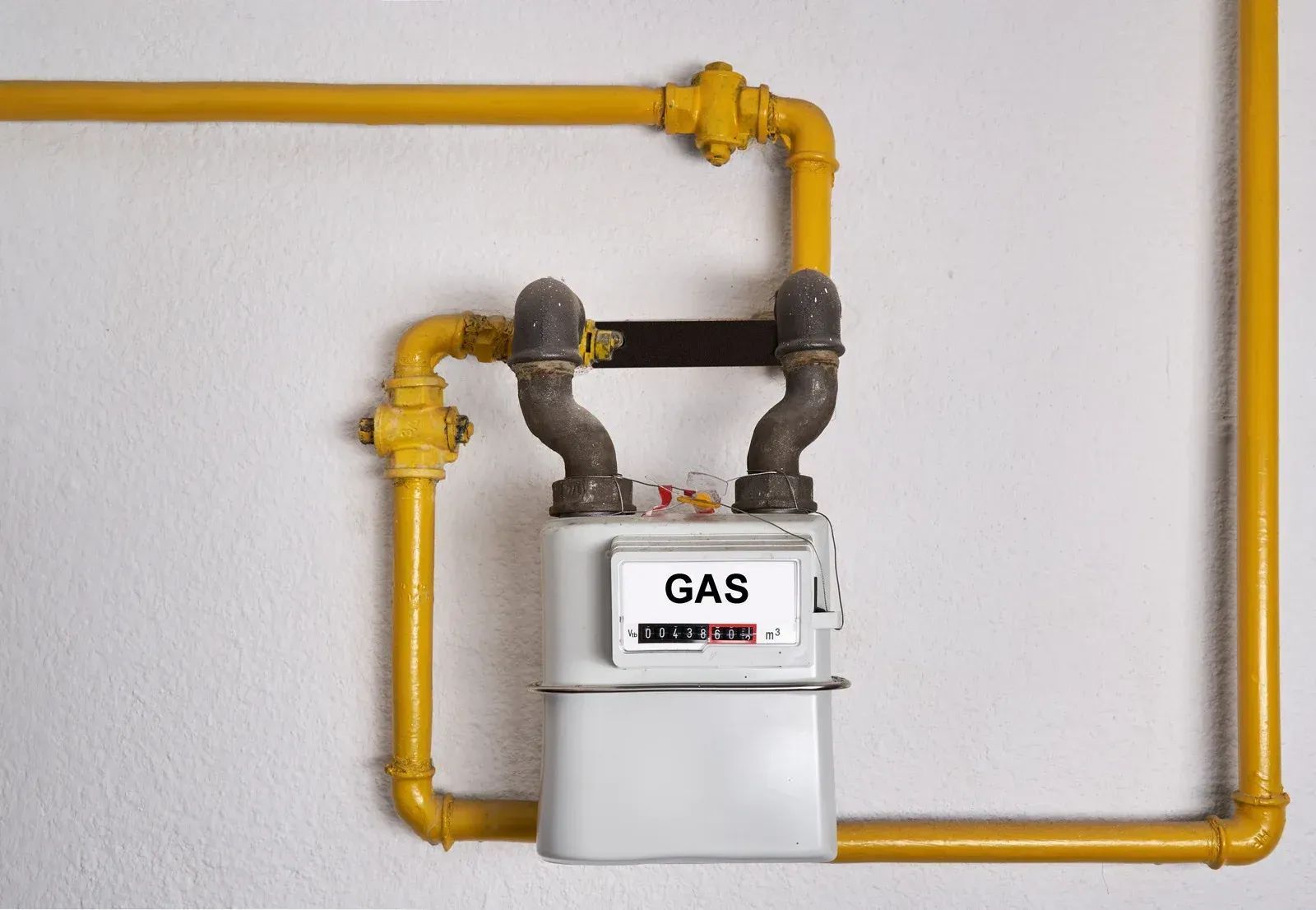
Many residential systems tie into the home's existing water service. That works for short activation, but a sprinkler system may run for hours during an extended fire, and pulling that volume off the same line serving the kitchen and bathrooms can drop pressure across the property and neighborhood.
A dedicated supply line
For properties where sustained runtime matters, a separate line sized specifically for the sprinkler system avoids competing with household use and keeps pressure consistent when needed most. This is plumbing work — sizing the line, selecting pipe material, and confirming the connection delivers the designed volume.
Secondary sources
Pools, wells, and dedicated tanks are common backups, particularly on larger Valley and Ventura County properties concerned about municipal pressure during widespread fires. Tapping a pool or well for suppression requires its own pump, plumbing, and backup power — a dry well pump does nothing once the grid fails.
System capacity and duration
Ember exposure during a wildfire can threaten a property for hours, not minutes, so the water supply must be sized for sustained operation, not a quick burst. Undersizing the supply line is a common installation mistake — the heads look right, but pressure runs out twenty minutes in.
Sprinkler Placement: Roof, Eave, and Perimeter Zones
Coverage design isn't guesswork. Effective systems are laid out in overlapping zones so that wind — which is unpredictable and often intense during Santa Ana events — doesn't leave gaps in coverage.
Roof zone
Sprinkler heads mounted on the roof rotate to keep roofing material and gutters saturated. This zone matters because embers collect in roof valleys, gutters, and anywhere debris naturally accumulates — a dry roof is one of the most common ignition points on a structure.
Eave zone
Positioned under the roof overhang, these heads aim downward and outward to keep walls and the ground closest to the foundation wet. This is the highest-risk zone on the property, since radiant heat and direct ember contact are most concentrated here.
Perimeter zone
Sprinklers positioned around the yard extend protection out to the vegetation and hardscape surrounding the home, typically covering the first several dozen feet outward from the structure. This zone works alongside — not instead of — cleared brush and defensible landscaping.
Because wind speed and direction shift quickly during a wildfire, well-designed systems build in overlap between zones so that if one direction of coverage weakens, an adjacent sprinkler head is still reaching that area.
Sprinklers Don't Replace Defensible Space
A brushfire sprinkler system is a powerful layer of protection, but it works best as one part of a broader strategy, not a replacement for the basics.
Dense, dry vegetation right up against a structure gives a fire more fuel and more places for embers to catch, no matter how well the sprinkler system is designed. Keeping the area immediately around the home clear of dead leaves, dry brush, and stacked firewood does more to protect a structure than any single piece of equipment on its own. Pair that clearing with fire-resistant roofing and ember-resistant vents and the odds shift further in your favor.
But a sprinkler system soaking a house surrounded by unmanaged brush is fighting an uphill battle it shouldn't have to fight. Clear the brush first. Let the sprinklers do the rest.
Warning: A brushfire sprinkler system will not function during a power outage unless it has battery or generator backup at the control point, and if it draws from a pool or well pump, that pump needs its own backup power source too. Confirm this before fire season — not during an active evacuation.
Maintenance Before Fire Season Starts
A brushfire sprinkler system that hasn't been checked since last summer is a gamble. Sprinkler heads clog with dust, sediment, and debris over the offseason. Valve seals degrade. Pipe joints exposed to sun and temperature swings can develop slow leaks that go unnoticed until the system is actually needed.
Twice-yearly inspection
Checking the system before fire season begins and again partway through catches problems while there's still time to fix them — not during a red flag warning. Inspection should cover sprinkler head function, valve operation, line pressure, and a visual check of exposed piping for wear.
Flushing and clearing
Lines that sit unused for months collect sediment, especially in areas with hard water, which describes most of the Valley. Flushing the system clears buildup before it restricts flow or clogs a sprinkler head at the worst possible moment.
Backflow preventer testing
This component should be tested annually as part of routine maintenance, not left alone until something goes wrong. A backflow preventer that's failed silently gives no warning — the problem only surfaces during an inspection or, worse, during an actual cross-connection event.
Pump and power backup checks
For systems drawing from a pool, well, or dedicated tank, the pump and its backup power source need the same seasonal attention as the sprinkler lines themselves. A pump that hasn't run in eight months is not one you want to discover is dead when smoke is on the ridgeline.
Why the Plumbing Side Deserves as Much Attention as the Fire Equipment
Sprinkler head placement and activation triggers get most of the attention when homeowners research brushfire protection. That makes sense — it's the visible part of the system. But the water supply, the backflow prevention, and the line sizing behind that equipment decide whether the system can actually deliver water for hours under real fire conditions, not just during a five-minute test run.
A system built on solid plumbing fundamentals performs when it matters. One that isn't just looks right on a data sheet.
Frequently Asked Questions
Does a brushfire sprinkler system use my regular drinking water?
Most residential systems connect to the home's domestic supply, requiring a backflow prevention device at the connection. This stops outside water, debris, or runoff from being pulled backward into potable water if pressure drops. Some add a dedicated line or secondary source.
Can a brushfire sprinkler system run on well or pool water instead of the main line?
Yes, and on larger Valley properties this helps avoid straining municipal pressure during extended fires. Using a pool, well, or tank requires its own pump and backup power — skip that, and the pump fails exactly when needed most.
How is a brushfire sprinkler system different from my irrigation sprinklers?
Irrigation systems handle periodic, low-pressure watering over long intervals. Brushfire systems are engineered for zone-based coverage of roof, eaves, and perimeter, built to run continuously for hours under fire conditions — heat, wind, debris, and possible power loss.
Do brushfire sprinkler systems replace the need for clearing brush around my home?
No. Defensible space — keeping dry vegetation, dead leaves, and stacked fuel away from the structure — remains the foundation of wildfire protection. Sprinklers add active protection on top, but unmanaged brush against a home undermines even a well-designed system.
How often should a brushfire sprinkler system be inspected?
At minimum, twice a year — before fire season begins and again during peak Santa Ana wind events. Inspection should cover sprinkler head function, valve operation, line pressure, and backflow prevention, since issues often go unnoticed until activation.
Will installing a brushfire sprinkler system affect my home's water pressure?
It can, especially if it ties into the house's main line and runs for extended periods. A dedicated supply line sized for the sprinkler system avoids competing with household use — a sizing question best answered by a qualified plumber.
Living With the Season, Not Against It
Fire season isn't going anywhere for Valley homeowners, and neither is the wind that drives it. A brushfire sprinkler system, engineered correctly from the water supply up, gives a property one more real layer of defense during the hours that matter most — not just a garden hose pointed at the roof. The equipment on top only works as well as the plumbing underneath it, and that's the part worth getting right the first time.
Ready to Protect Your Property
Roberts Plumbing Hydro Jet & Rooter designs, installs, and maintains
brushfire sprinkler systems built on properly sized water supply lines and code-compliant backflow prevention, not just sprinkler placement. With
42+ years serving Simi Valley, California and the surrounding communities as a licensed residential and commercial plumbing contractor, Roberts Plumbing Hydro Jet & Rooter brings the same hydro jetting, trenchless, and specialty plumbing expertise to fire protection systems that homeowners already trust for their drains and water lines. Schedule a system design consultation or a pre-fire-season inspection before the next red flag warning.