Felt the House Shift in the Last Earthquake? What Flexible Gas Connectors Actually Do
August 30, 2026
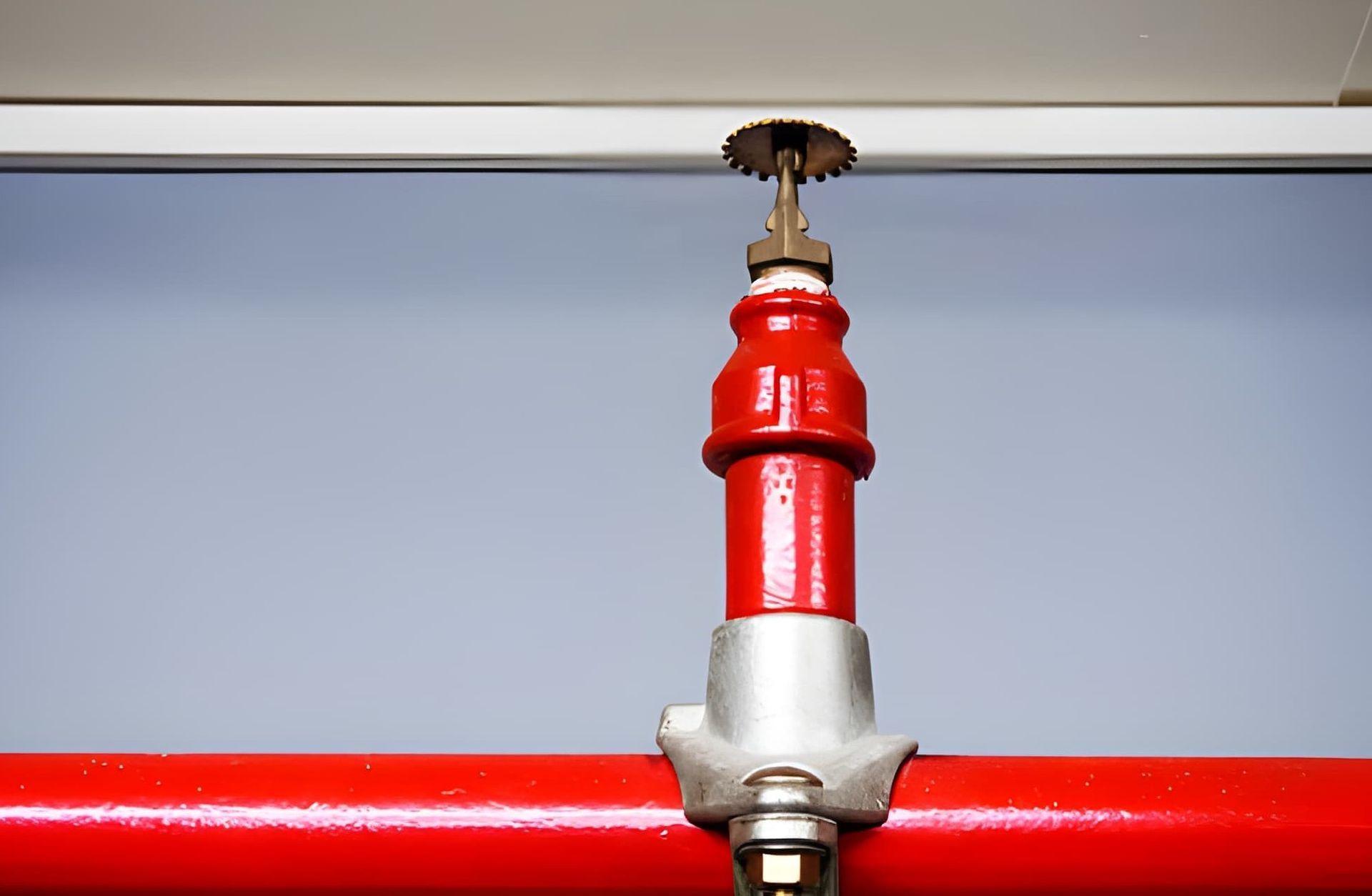
You can smell it before you see it — that dry, dusty edge to the air that shows up every August and September across the hills above Simi Valley, Chatsworth, and Thousand Oaks. Ridgeline homes with a view of open brush get that smell first. Santa Ana winds, steep terrain, and dense chaparral turn this stretch of Ventura County and the San Fernando Valley into some of the most fire-exposed real estate in the state. A brushfire sprinkler system is one of the few pieces of home protection that actually does something. While everyone else is watching the ridgeline and waiting for an evacuation order, a properly built system is already running.
Most homeowners get the concept in broad strokes: sprinklers on the roof, water everywhere, fire stays away. What gets skipped over — usually by companies that only sell the fire-suppression half of the equation — is the plumbing behind it. Where does that water actually come from? What stops it from siphoning fire-line runoff back into the tap water your family drinks? These are plumbing questions, not fire-equipment questions, and they matter just as much as where the sprinkler heads point. What happens if the power goes out or the municipal line loses pressure during a fire event, which is exactly when demand spikes across the whole neighborhood, is a plumbing question too.
Quick Answer: A flexible gas connector is a short, corrugated section of pipe — usually stainless steel — installed between a gas appliance and its rigid supply line so the appliance can shift slightly during an earthquake without tearing the connection apart. Rigid black-iron pipe has no give, so when a water heater, dryer, or furnace rocks even a few inches during shaking, a rigid joint threaded straight into the appliance can crack or shear at the coupling. After the 1994 Northridge earthquake, Southern California Gas Company documented more than 14,000 gas leaks reported on customer lines, and multiple house fires traced directly back to broken connections at water heaters and other gas appliances — including several in Simi Valley itself. A properly installed flexible connector, paired with an anchored appliance, is one of the simplest ways to keep that kind of failure from happening at your address.
You don't have to search far for proof that ground movement breaks rigid gas pipe. When the Northridge earthquake hit the San Fernando Valley in January 1994, fire crews across the region spent the next several days chasing gas odors, hissing lines, and structure fires that started the same way over and over: a water heater or furnace shifted on its base, and the rigid pipe feeding it had nowhere to go but snap. Simi Valley reported gas-related fires that morning, and one of them started at the connecting pipe to a water heater. Three decades later, connector technology has improved, but plenty of Valley homes still have gas appliances hooked up the same brittle way — a rigid nipple threaded straight from the shutoff valve into the appliance, with zero room to move.
Why Rigid Gas Pipe Doesn't Survive Ground Movement
Black-iron pipe and rigid steel fittings are built for strength, not flexibility. That's exactly what makes them wrong for the last few inches of a gas connection.
An appliance that can rock, slide, or tip during shaking needs a connection that can move with it, not fight it.
The Physics Are Simple
When an earthquake moves an appliance, rigid gas piping cannot flex or absorb that movement. Stress transfers directly into threaded joints, increasing the chance of cracking or connection failure.
Threaded Joints Fail At The Connection, Not In The Middle Of The Pipe
During the Northridge earthquake, engineering surveys found rigid gas pipes cracking at threaded couplings after equipment shifted significantly. The joints failed because they couldn't accommodate movement.
A Broken Gas Connection Doesn't Announce Itself Safely
A damaged gas connection may leak without visible signs. Gas can accumulate before anyone notices an odor, creating a serious ignition risk when nearby flames, sparks, or damaged wiring are present.
What a Flexible Gas Connector Actually Does
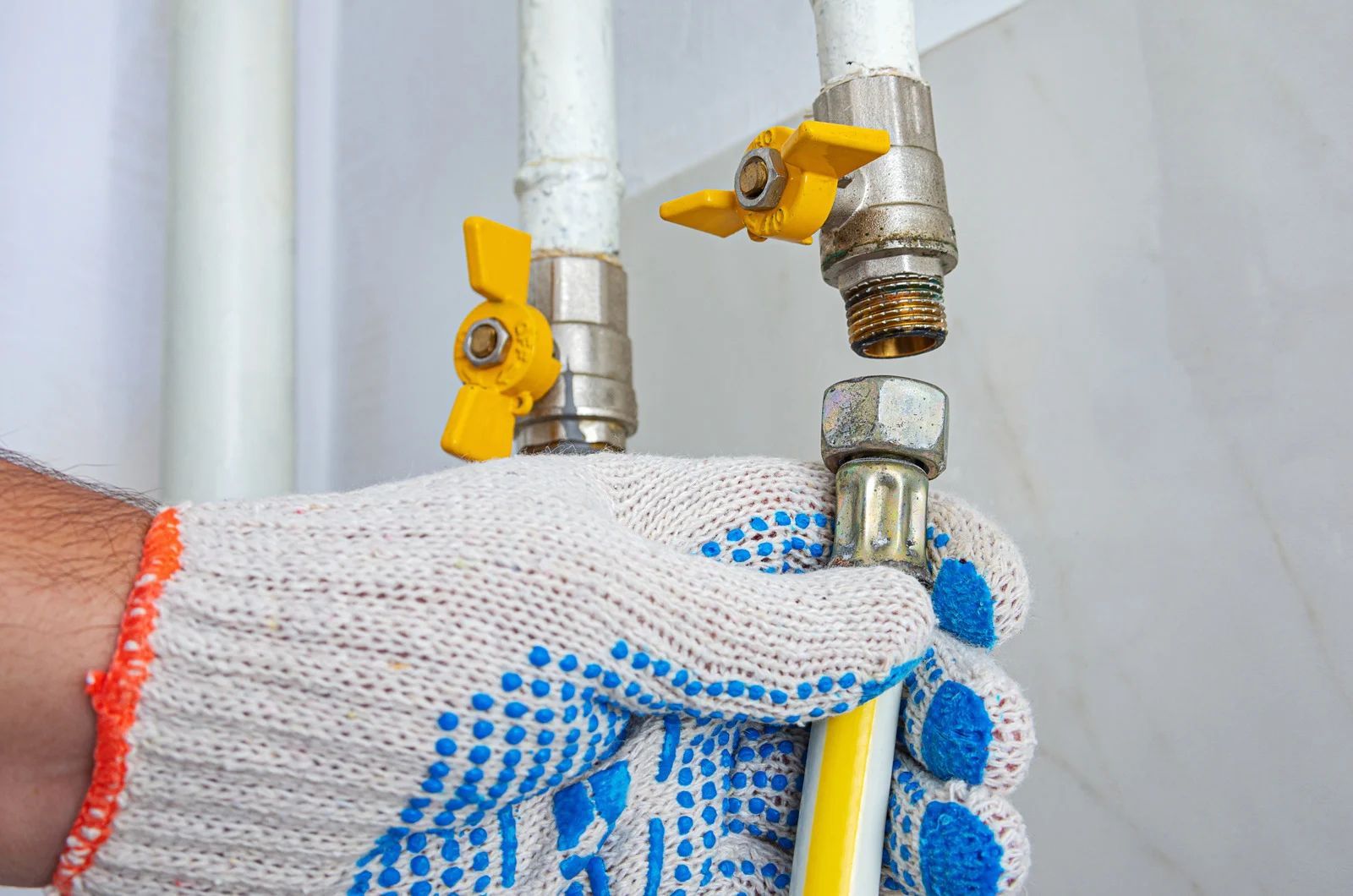
A flexible gas connector is the short section of corrugated, flexible tubing — typically stainless steel — that runs between the rigid shutoff valve on the wall or floor and the appliance itself. Instead of a hard 90-degree bend threaded directly into the unit, the flexible section gives the appliance a few inches of give.
It Absorbs Movement Instead Of Resisting It
When an appliance shifts during shaking, a flexible connector bends with it, reducing stress on rigid joints. Its purpose is controlled movement, not simply adding strength to the connection.
It's Appliance-Specific By Design
Flexible connectors are rated for specific appliances, gas demands, and installation conditions. Using the wrong connector, or one that is stretched, kinked, or improperly reused, can compromise safety.
It Only Works Within Its Range Of Motion
A flexible connector handles limited appliance movement during shaking, but it cannot protect against severe tipping or sliding. Proper appliance anchoring remains essential for complete earthquake protection.
Where Flexible Connectors Belong in Your Home
Every gas appliance in a Valley home benefits from a flexible connection at the point where rigid supply pipe meets the unit, but each one has its own considerations.
Water Heaters
Water heaters are especially vulnerable during earthquakes because their tall, narrow shape makes them prone to shifting or tipping. A flexible gas connector combined with proper strapping helps reduce stress on both the appliance and gas line.
Ranges And Cooktops
An unsecured range can move across the kitchen during strong shaking, placing stress on its gas connection. A properly installed flexible connector allows limited movement while an anti-tip bracket helps keep the appliance securely positioned.
Clothes Dryers
Gas dryers already experience regular vibration during operation, creating repeated movement around their connections. Earthquake shaking adds further stress, making a properly installed flexible connector important for reducing strain on the gas line.
Furnaces And Wall Heaters
Furnaces and wall heaters are generally more secure than freestanding appliances, but their gas connections still need to accommodate building movement. A flexible transition helps reduce stress where rigid piping connects to the appliance.
Outdoor Gas Features
Fire pits, outdoor kitchens, and pool heaters can experience movement when surrounding soil settles or shifts. A properly installed flexible transition between rigid piping and the fixture helps accommodate limited movement without stressing the connection.
Tip:
If you can't remember the last time anyone looked at the gas connections behind your water heater, dryer, or range, that's worth a walkthrough. A licensed plumber can check every connector in the house in less time than it takes to plan a weekend project, and catching an old, corroded, or improperly rated connector before an earthquake tests it is the entire point.
Flexible Connectors Aren't All Built the Same
Not every flexible connector on the market — or already installed in an older Valley home — meets the same standard. The differences matter more than most homeowners realize, and a connector isn't a connector just because it bends.
Modern corrugated stainless steel connectors are the current standard for appliance hookups. They're rated for specific pressures and appliance types, built with enough slack to absorb shifting without kinking, and designed to resist corrosion far better than the materials used decades ago.
Older brass connectors were common in homes built or renovated years ago, and some styles have a documented history of premature cracking, particularly at the fittings. A brass connector that's original to a decades-old water heater installation is a candidate for replacement on its age alone, independent of any earthquake risk.
Corrugated stainless steel tubing (CSST), used for longer supply runs rather than the short appliance hookup itself, is a different product from a standard flexible appliance connector, though the two get confused often. CSST requires its own bonding practices to manage a separate risk — electrical surge from a nearby lightning strike — that has nothing to do with seismic movement, and the two products shouldn't be substituted for each other.
Length and slack matter as much as material. A flexible connector installed with the bare minimum length, pulled taut between the valve and the appliance, gives almost nothing back when the appliance shifts. The right amount of built-in slack is what actually lets the connector do its job.
What a Flexible Connector Won't Do
A flexible gas connector solves one specific problem: a rigid joint that can't move. But it doesn't cover everything, and relying on it alone leaves gaps.
It Doesn't Replace Appliance Anchoring
A flexible connector cannot prevent an appliance from tipping or sliding during severe shaking. Water heaters and other vulnerable appliances still need proper strapping or anchoring to remain securely positioned during earthquakes.
It Doesn't Shut Off The Gas Supply
A flexible connector protects the connection from movement but cannot detect leaks or stop gas flow. A seismic shutoff valve serves that separate purpose by stopping gas to the property after strong shaking.
It Doesn't Fix A Rigid Line Problem Somewhere Else In The House
Replacing one connector won't protect unsupported rigid gas piping elsewhere. A thorough inspection should examine every appliance connection and exposed gas line for weaknesses that could become hazardous during earthquake movement.
Warning: If you smell gas, hear hissing near a fitting, or notice a gas appliance has visibly shifted after any earthquake — even a minor one — leave the area, don't operate switches or open flames nearby, and get a professional to inspect the line before restoring service. A cracked connection that seems minor at first can still be actively leaking behind an appliance where it isn't obvious.
Signs Your Current Connector Is Already a Liability
Most homeowners never think about the connector behind a water heater or range until something forces the issue. A few warning signs are worth checking for before that happens.
Visible Corrosion Or Discoloration
Rust, green corrosion on brass fittings, or dull, pitted metal can indicate deterioration. Any visible corrosion should be professionally evaluated before the connector is exposed to earthquake-related movement.
Kinks Or Sharp Bends
A connector routed too tightly or crushed behind an appliance can lose its intended flexibility. Sharp bends and kinks create stress points that may increase the risk of connection failure.
Age You Can't Account For
If an older water heater or range has never had its gas connector replaced, the connector may be equally old. Long-term vibration and temperature changes can contribute to deterioration over time.
A Connector That's Clearly The Wrong Length
A connector that is too short may become stretched and provide little movement allowance. One that is too long may require coiling or bending, potentially creating another installation problem.
Frequently Asked Questions
How is a flexible gas connector different from a seismic gas shutoff valve?
A flexible connector lets an individual appliance move slightly without damaging the gas connection. A seismic shutoff valve detects strong shaking and stops gas flow to the entire property, addressing different earthquake-related risks.
Can I replace a flexible gas connector myself?
Gas connections should be handled by a licensed plumber. Incorrect sizing, poor sealing, or improper routing can create dangerous leaks. Professional installation also allows the connection to be properly checked for safety.
How often should gas appliance connectors be inspected?
Inspect gas connectors whenever an appliance is serviced, replaced, or moved. Older connectors should receive periodic professional checks. After an earthquake strong enough to move household items, inspect connections for visible damage or shifting.
Do all gas appliances need a flexible connector, or just water heaters?
Flexible connections are useful for gas appliances including water heaters, ranges, dryers, furnaces, and outdoor fixtures. Water heaters receive particular attention because their movement during earthquakes can place significant stress on rigid gas connections.
Will a flexible connector protect my water heater if it isn't strapped down?
Only partially. A flexible connector allows limited movement but cannot protect an unsecured water heater from tipping or sliding significantly. Proper strapping and anchoring should be used alongside a correctly installed flexible connector.
What should I do if I think my home still has an old brass gas connector?
Have the connector inspected by a licensed plumber. Older brass connectors can deteriorate or crack at fittings. A professional can identify its condition and determine whether replacing it with an appropriate modern connector is necessary.
A Safer Gas Connection Starts With Flexibility
A flexible gas connector gives an appliance room to move without transferring earthquake forces directly into a rigid gas line. When installed correctly, it can reduce stress on fittings as water heaters, ranges, dryers, and other gas appliances shift during ground movement. The connector is only one part of earthquake readiness, though; proper appliance anchoring, sound fittings, and an intact gas supply system all matter. Together, these details help reduce the chance that a routine appliance connection becomes a serious hazard after shaking.
For homeowners in Simi Valley, understanding the condition of these small connections is especially worthwhile given the region's history of significant seismic activity. Roberts Plumbing Hydro Jet & Rooter has 42 years of experience serving Simi Valley, CA, with careful attention to residential and commercial plumbing systems. A properly selected connector, appropriate slack, secure appliance placement, and correctly maintained fittings can work together to create a gas connection better prepared for the movement that comes with an earthquake.