Appliance Gas Line Connections in Simi Valley: When New Demand Meets Old Piping
September 12, 2026
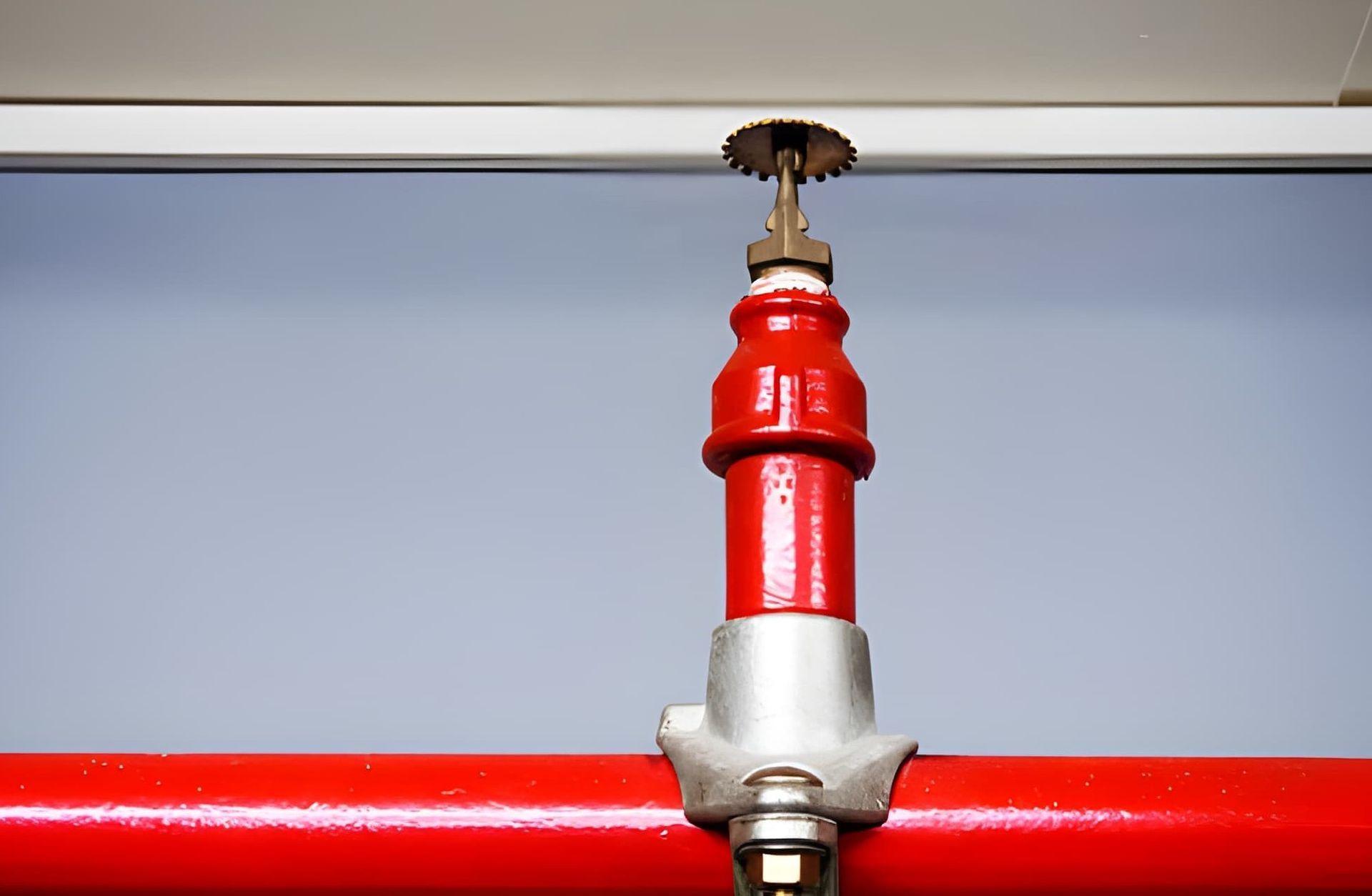
You can smell it before you see it — that dry, dusty edge to the air that shows up every August and September across the hills above Simi Valley, Chatsworth, and Thousand Oaks. Ridgeline homes with a view of open brush get that smell first. Santa Ana winds, steep terrain, and dense chaparral turn this stretch of Ventura County and the San Fernando Valley into some of the most fire-exposed real estate in the state. A brushfire sprinkler system is one of the few pieces of home protection that actually does something. While everyone else is watching the ridgeline and waiting for an evacuation order, a properly built system is already running.
Most homeowners get the concept in broad strokes: sprinklers on the roof, water everywhere, fire stays away. What gets skipped over — usually by companies that only sell the fire-suppression half of the equation — is the plumbing behind it. Where does that water actually come from? What stops it from siphoning fire-line runoff back into the tap water your family drinks? These are plumbing questions, not fire-equipment questions, and they matter just as much as where the sprinkler heads point. What happens if the power goes out or the municipal line loses pressure during a fire event, which is exactly when demand spikes across the whole neighborhood, is a plumbing question too.
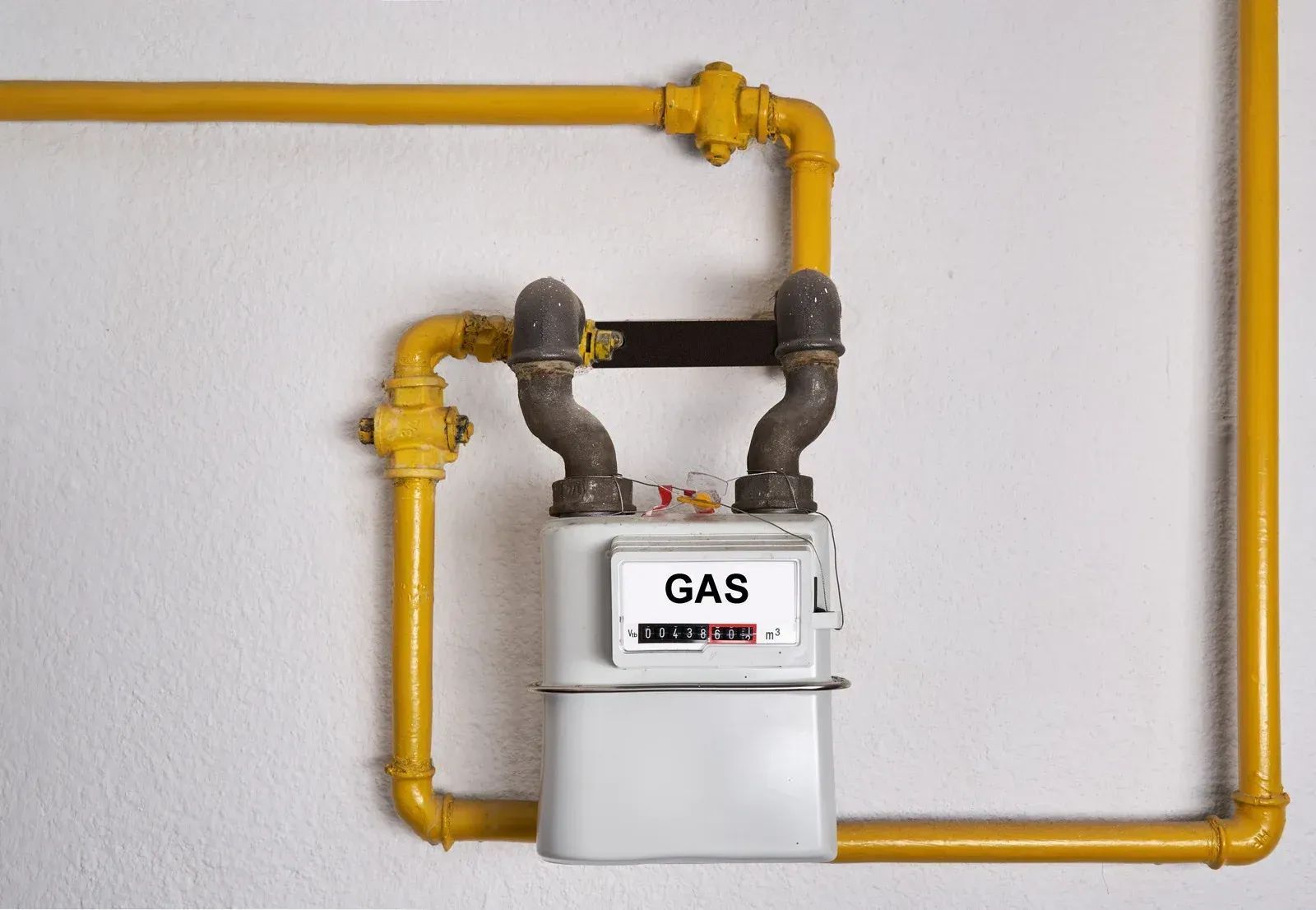
Quick Answer: A gas line rarely fails just because it is old. It fails, or performs poorly, when the total demand placed on it grows past what it was originally sized to carry. A standard tank water heater draws around 40,000 BTU per hour, while a tankless model can draw 150,000 to 199,000 BTU per hour, roughly four to five times more. Add an outdoor kitchen with a grill, a fire pit, and a pizza oven, and the combined load on a single takeoff point can climb past 200,000 BTU. Connecting a new appliance correctly means calculating that total demand first, not simply running a line to the new fixture and hoping the existing system keeps up.
The first cookout after a backyard remodel in Simi Valley is usually the moment a sizing problem shows up. The grill is going, the fire pit is lit for the evening, and someone starts the dishwasher inside while the tankless water heater kicks on for a shower. The flame on the grill drops to a low blue whisper. Nothing is broken. No leak, no smell, no damaged fitting. The pipe simply cannot deliver enough gas to every appliance pulling on it at the same moment.
The Pipe Was Never the Problem
Homeowners often assume a performance issue like this means something has gone wrong with the gas line itself, corrosion, a hidden leak, a failing regulator. In many cases the piping is in perfectly good condition. What changed is the demand running through it. A gas line installed decades ago was sized around the appliances of that era: a single furnace, a single tank water heater, maybe a stove. Each of those pulls a modest, well-understood amount of gas. Layer on a tankless water heater, a full outdoor kitchen, or a whole-house standby generator, and the total load can outgrow the pipe long before the pipe itself shows any sign of wear.
What Modern Appliances Actually Pull
BTU input ratings vary more between appliance types than most homeowners expect, and the gap matters more than it seems.
Storage Tank Water Heater
A typical gas-fired tank model draws around 40,000 BTU per hour, a relatively light and steady load that most existing systems handle without issue.
Tankless Water Heater
A whole-house tankless unit draws far more, commonly 150,000 to 199,000 BTU per hour, because it has to heat water instantly rather than drawing from a stored reserve. That jump alone is often enough to require a larger branch line than the one already in place.
Outdoor Grill
A standard two-burner grill pulls 30,000 to 60,000 BTU per hour, while a larger four-burner model can reach closer to 100,000.
Fire Pit Or Fire Table
These run higher than most people guess, typically 50,000 to 150,000 BTU per hour depending on size and burner design.
Gas Pizza Oven
A dedicated outdoor pizza oven adds another 30,000 to 60,000 BTU per hour on top of whatever else is running in the same outdoor kitchen.
Patio Heater Or Side Burner
Smaller fixtures like a side burner draw around 15,000 BTU per hour each, modest individually but additive once several are installed together.
Add these up across a single project, a new tankless heater plus a grill plus a fire pit, and the combined demand can be five or six times what the original 1970s or 1980s gas line was ever asked to carry.
Distance Changes the Math Too
BTU load is only half the calculation. The distance gas has to travel from the meter to the appliance, along with every elbow, tee, and valve along the way, adds resistance that reduces how much volume actually reaches the far end of the line. An appliance sitting 60 feet from the meter needs a larger diameter pipe to deliver the same performance as one sitting 15 feet away, even if the BTU rating is identical. This is why a grill installed close to the house can run perfectly while a fire pit installed at the back of the same yard, fed from the same undersized branch, struggles to hold a strong flame.
What Shows Up When a Line Is Asked to Do Too Much
The signs of an undersized appliance connection are often mistaken for appliance problems rather than a piping issue.
Weak or yellow flames on a burner that ran fine before a second appliance was added nearby.
A pilot light that goes out repeatedly, particularly when another gas appliance turns on elsewhere in the house.
Appliances that shut themselves off mid-cycle as a built-in safety response to inadequate gas pressure.
Inconsistent performance that only appears when multiple appliances run at the same time, then disappears when only one is in use.
None of these point to a leak or a damaged pipe. They point to a system trying to deliver more gas, at more points, than its original sizing allows.
What a Proper Appliance Connection Actually Involves
Connecting a new gas appliance correctly starts before any pipe gets cut. The total BTU demand of the new appliance gets calculated alongside everything already running on the same system, not evaluated in isolation. The existing meter and supply line get checked to confirm they have enough capacity for the added load, since the branch line is only useful if the main supply feeding it can keep up. The route from the takeoff point to the new appliance gets measured for developed length, accounting for every bend, so the pipe diameter matches both the distance and the demand rather than just the appliance's rating on its own. Once the new connection is in place, pressure gets verified at the appliance itself, confirming it receives what it needs even when everything else on the system is running at the same time.
Tip: If a backyard project is likely to grow over the next few years, a grill this year, a fire pit or pizza oven later, it is worth sizing the initial branch line for the full plan rather than the first appliance alone. Running a larger line once during the original project avoids opening the same trench or wall twice.
Warning: Tapping a new high-demand appliance into an existing line without recalculating total system load can cause pressure problems at appliances that had nothing to do with the new installation, including furnaces and water heaters inside the house. A weak flame at the kitchen stove after a backyard project is a sign the whole system needs to be evaluated, not just the new outdoor connection.
Frequently Asked Questions
Why did my other gas appliances start acting up after I added an outdoor kitchen?
Adding a new high-demand appliance increases the total load on the shared gas supply. If the existing line and meter were not evaluated for the combined demand, appliances elsewhere in the house can experience reduced pressure even though nothing about them individually has changed.
Does a tankless water heater always need a larger gas line?
Often, yes. Because a tankless unit can draw four to five times more gas per hour than a typical storage tank model, the branch line feeding it frequently needs to be upsized from what served the old tank water heater.
How is the correct pipe size determined for a new outdoor appliance?
Correct sizing accounts for the total BTU demand of the appliance, the distance from the gas meter or takeoff point, and the number of bends or fittings along the route, since each of these reduces how much gas volume reaches the appliance.
Can I add a fire pit to the same line as my grill?
It depends on the combined BTU demand of both appliances and whether the existing branch line was sized with room for additional load. A proper evaluation calculates the combined total before a new appliance gets tied in.
What does a weak or yellow flame on a burner usually mean?
A weak or yellow flame often indicates the appliance is not receiving enough gas pressure, which can result from an undersized line, excessive distance from the supply, or too much total demand placed on a shared system.
Should I plan for future appliances when installing a new gas connection?
Planning ahead is worth considering if more outdoor or indoor gas appliances are likely down the road. Sizing the branch line for anticipated future demand avoids the disruption of reopening the same route later.
Matching Gas Capacity To What You Actually Use
A gas line that performed well for twenty years did not become unreliable on its own. It simply reached the point where the appliances asking for gas outnumbered what it was ever built to serve. A tankless water heater, an outdoor kitchen, or a new fire feature each adds real demand to a system sized for a simpler era, and that gap rarely shows up until several appliances run together. Evaluating total demand before the first pipe is cut is what keeps every appliance on the system working the way it should.
Roberts Plumbing Hydro Jet & Rooter
has spent 42
years working on gas systems throughout Simi Valley, CA, seeing firsthand how a single new appliance can strain piping that served a home reliably for decades. Getting the sizing right the first time means every appliance, old and new, draws the gas pressure it needs without competing for what the line can deliver. That kind of planning is what separates a connection that works only when nothing else is running from one that holds up no matter how many burners are lit at once.